Why resting meat is not optional
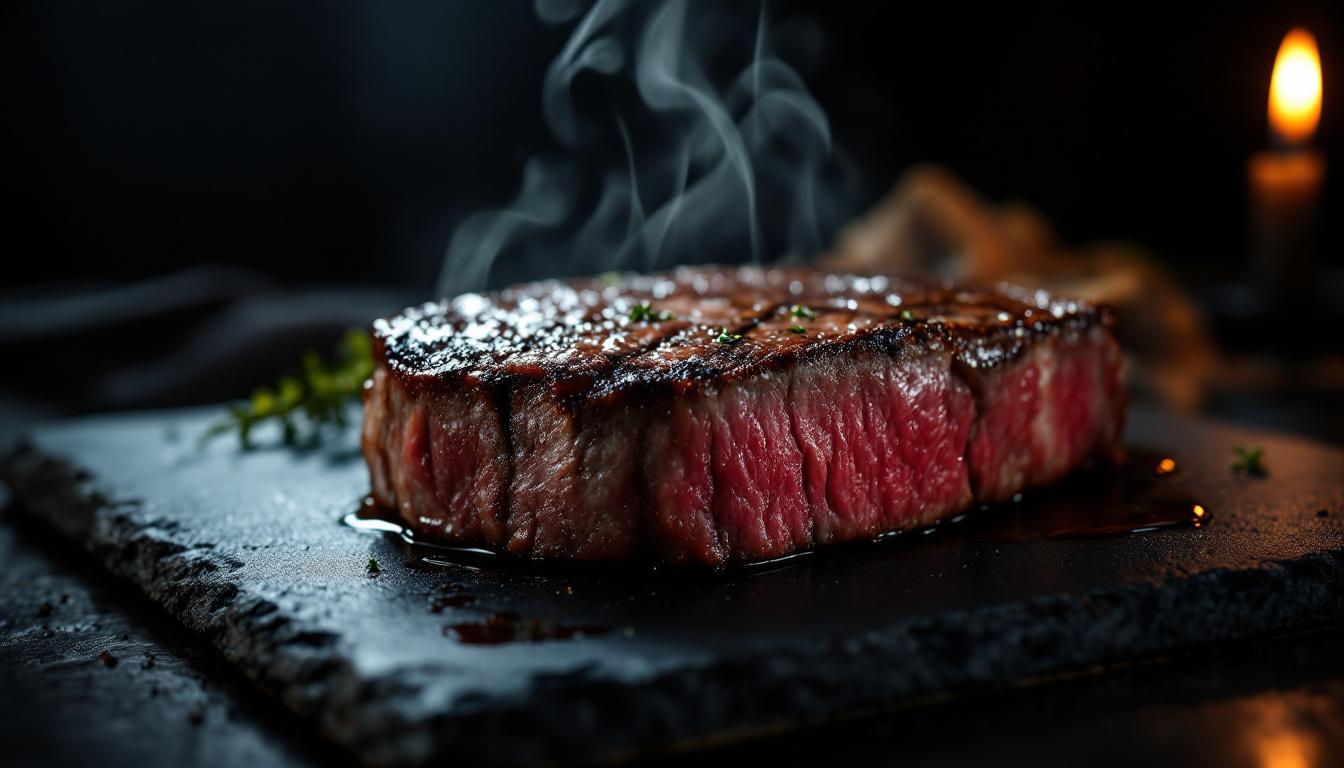
The single most common mistake I see outside professional kitchens is slicing meat the moment it comes off the heat.
You can smell it. The crust looks perfect. Every instinct says cut it now.
Don't.
As meat heats up, the muscle fibres contract and push moisture toward the centre. Cut immediately after cooking and that liquid — which carries most of the flavour — runs straight out onto your board. You've just made dry meat.
Resting allows the muscle fibres to relax. As the temperature equalises throughout the cut, moisture redistributes back through the meat. When you cut after resting, it stays in the meat — not on your board. The result is juicier, more evenly cooked meat with better texture from edge to centre.
A rough rule — rest for half the cooking time, minimum. Steak, 5 minutes. Chicken breast, 5 minutes. Whole chicken, 15 to 20. Rack of lamb, 10. Large roast, 20 to 30. Loose foil tent, warm plate, out of the draft. Not sealed tight — you want to hold heat, not steam the crust off.
Meat continues cooking after it leaves the heat. A steak pulled at 52°C will reach 55–57°C during rest. Factor this in — pull earlier than you think, especially for thick cuts. For service in a restaurant kitchen, this timing is calculated precisely. At home, it just means trust the rest. The steak is not getting cold. It's finishing.
Patience after the pan is the same skill as patience at the pan. Most people only practice one.