The Maillard reaction — what browning actually is
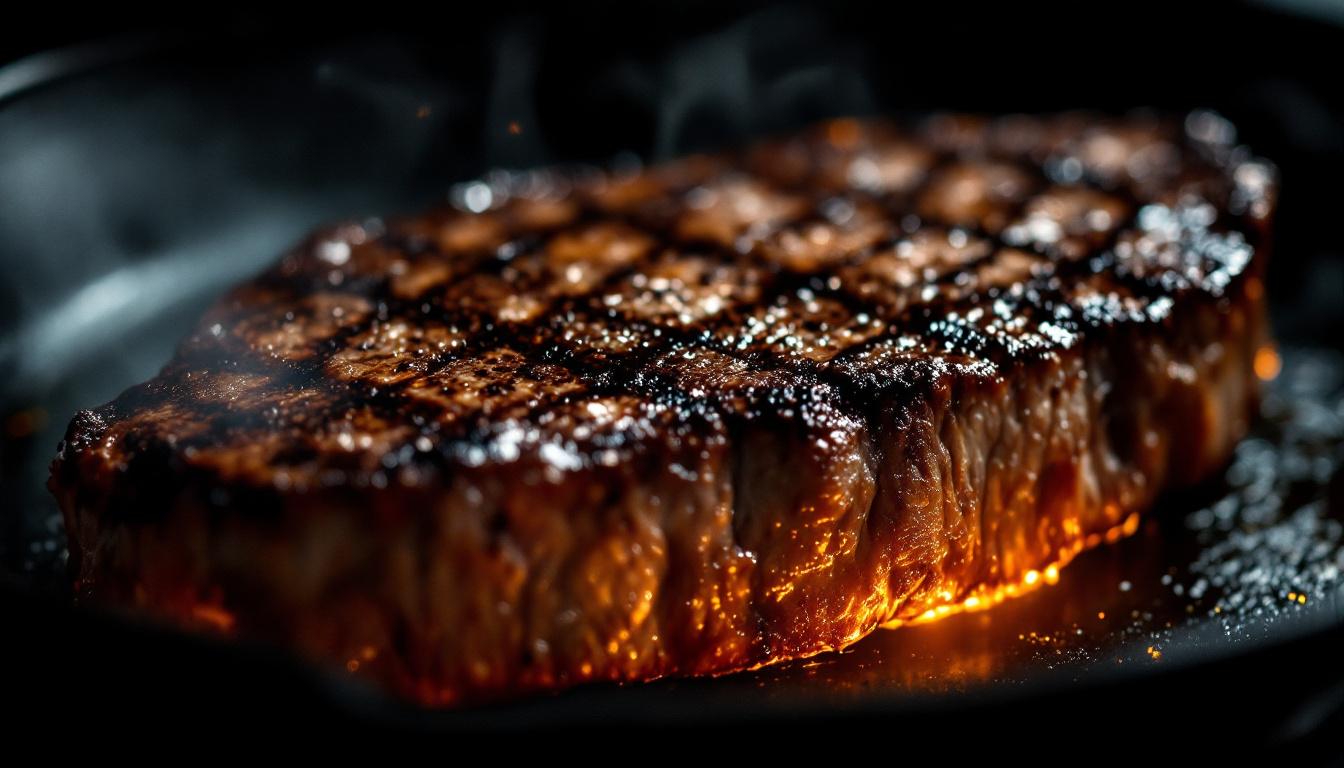
Every time you sear a steak, toast bread, roast a chicken, or fry an onion until it goes golden — you're triggering the Maillard reaction.
Most people call it caramelisation. It's not. Caramelisation is what happens to sugar alone at high heat. Maillard requires both amino acids and sugars, and it produces hundreds of different flavour compounds that caramelisation never touches.
The brown crust on a seared piece of meat contains more flavour complexity than the interior. The toast note in good bread comes from it. The depth in roasted vegetables, the colour on a burger, the nuttiness in browned butter — all Maillard. Without it, food tastes flat. Technically correct, but missing the thing that makes people want more.
It needs three things. Temperature — Maillard begins around 140–165°C. Below that, you're just cooking, no browning. This is why wet surfaces don't brown — the water keeps the temperature at 100°C until it evaporates. A dry surface — moisture is the enemy, pat your proteins dry before searing, don't crowd the pan because crowding creates steam. And time at temperature — the reaction needs sustained contact with a hot surface. Moving food constantly interrupts it. Put it down, leave it.
Once you understand Maillard, a lot of techniques make sense that seemed arbitrary before. Why do recipes say to dry meat before searing? Moisture delay. Why do you not move the steak for the first 2 minutes? Contact time. Why does bread bake better on a preheated stone? Immediate surface heat. Why does butter foam when it browns? Water evaporating before Maillard starts.
Colour is the visible part of it. The flavour underneath cannot get into food any other way.