Saffron: blooming, dosing, and how to spot a fake
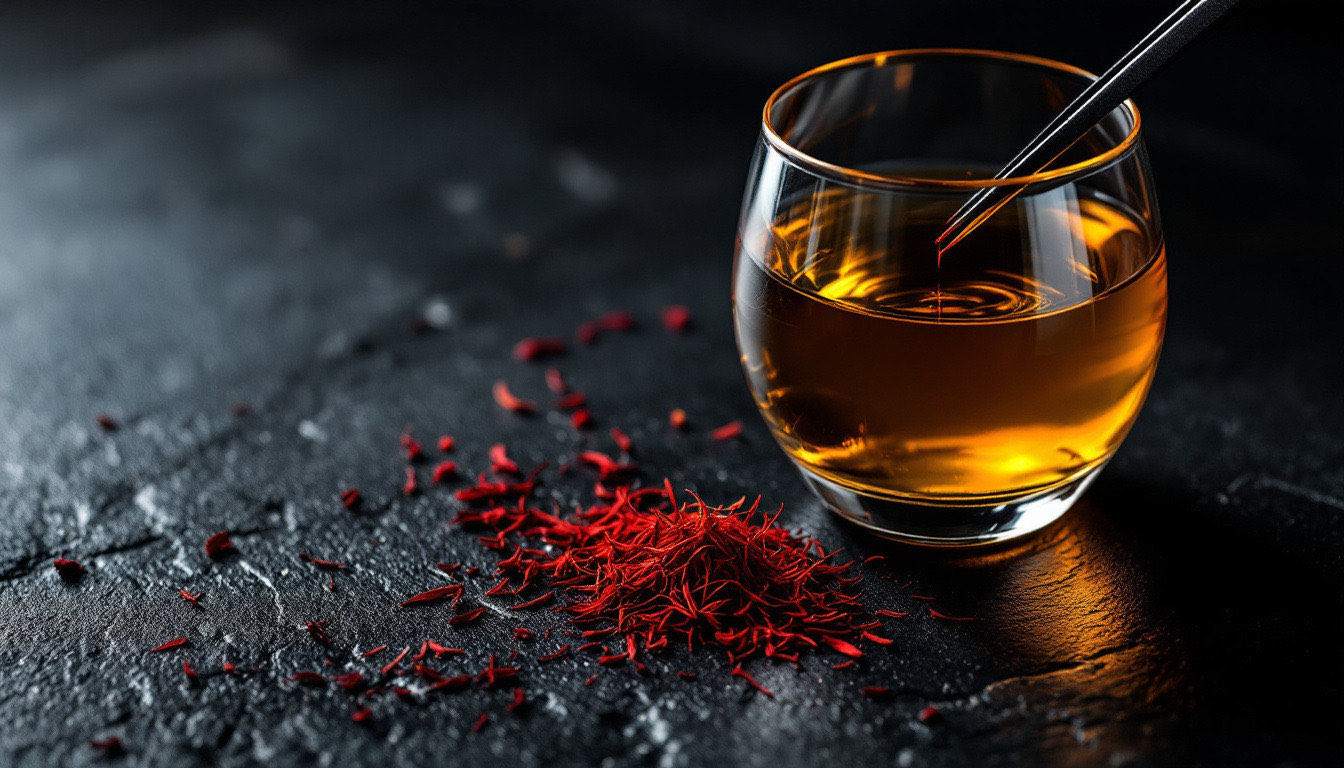
Each crocus flower gives three stigmas and they come off by hand. That is the entire reason for the price, and the reason saffron tends to get handled carefully and used badly.
Dry saffron thrown into a pot gives you a fraction of what you paid for. The compounds that matter are water-soluble and they need time and liquid to come out. Put the threads in a small amount of warm liquid — water, stock, milk — and leave them fifteen to twenty minutes, until the liquid has gone deep gold and the threads have paled. Then add the whole thing in, liquid and threads together. Warm, not boiling: boiling drives off the aromatics you are paying for. If you can hold a finger in it, it is right. Crushing the threads first speeds it up and gives more even colour.
It helps to know what you are pulling out. Crocin gives the colour and comes out fastest. Picrocrocin gives the bitter, hay-like taste. Safranal gives the aroma and is the most fragile of the three. That order is why a long soak in warm liquid beats a short soak in hot — you get all three instead of only the first.
Saffron is easy to overdo. Past a certain point it stops being floral and turns medicinal. A generous pinch, somewhere around fifteen to twenty threads, is enough for a dish serving four, and for rice it is less than you think. It should read as a background note and a colour rather than the loudest thing on the plate.
Adulteration is common, usually dyed safflower or shredded corn silk. Put a few threads in warm water and watch. Real saffron releases colour gradually, over minutes, and the threads stay red. Dyed material bleeds almost immediately and goes pale as the dye washes out. Real threads are trumpet-shaped, wider at one end. Powder is worth avoiding entirely — you cannot see what is in it, and it is where most adulteration ends up.