What AI actually changed — and it's not what people say

I started using AI tools seriously about two years ago. Not as a gimmick — as an actual part of how I work.
I use it to write faster. To research faster. To build things I couldn't build alone — the portfolio you're reading this on is partly the result of me working with AI tools that handled code I was still learning. I'm honest about that.
But the conversation about AI is usually about jobs. Whether it's replacing people. Whether it's cheating. That's not what I think about when I use it.
What I think about is the education gap.
Access used to have conditions
For most of history, learning something outside your lane had requirements. The right school, the right city, the right network, or enough money to pay someone who had all three. If you were curious and had none of that, you figured it out slowly, alone, or you didn't figure it out at all.
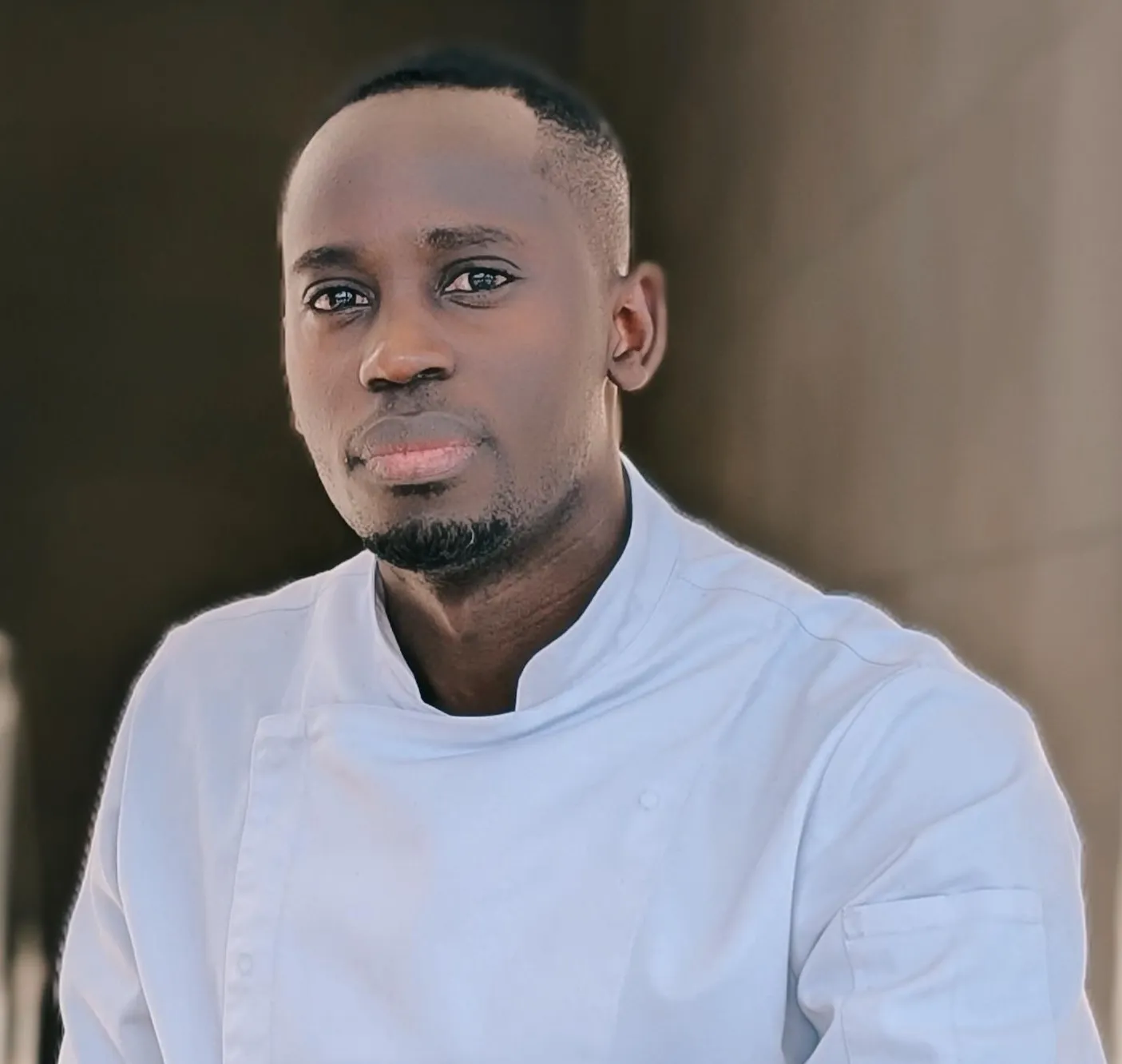
I learned to code while working full-time in a kitchen. No course, no bootcamp, no computer science background. What I had was curiosity and a tool that would explain anything I didn't understand in whatever terms I needed.
Teach me this like I'm a kid. That one prompt changed how fast I could move through something new. You can point it at any subject — nutrition, finance, programming, history — and ask it to meet you where you are. It doesn't judge the question. It doesn't charge by the hour.
That's the shift that doesn't get talked about enough. Not that AI is writing essays or threatening designers. That someone with a curious mind and no institutional backing can now move through a learning curve in weeks that used to take years.
The part that still matters
AI helped me execute. It didn't decide.
The judgment about what to build, what it should say, what it should feel like — that's mine. The perspective that belongs to a specific person with a specific set of experiences, a specific kitchen, a specific city — AI doesn't have that. It produces what's statistically likely. It doesn't have a point of view.
The people who benefit most from this moment aren't the ones afraid of it or the ones outsourcing their thinking to it. It's the ones who use it to learn faster while holding on to their own judgment.
That's the change I keep coming back to. The distance between being curious about something and being able to do it got a lot shorter.