Costing a plate: the shrimp, start to finish
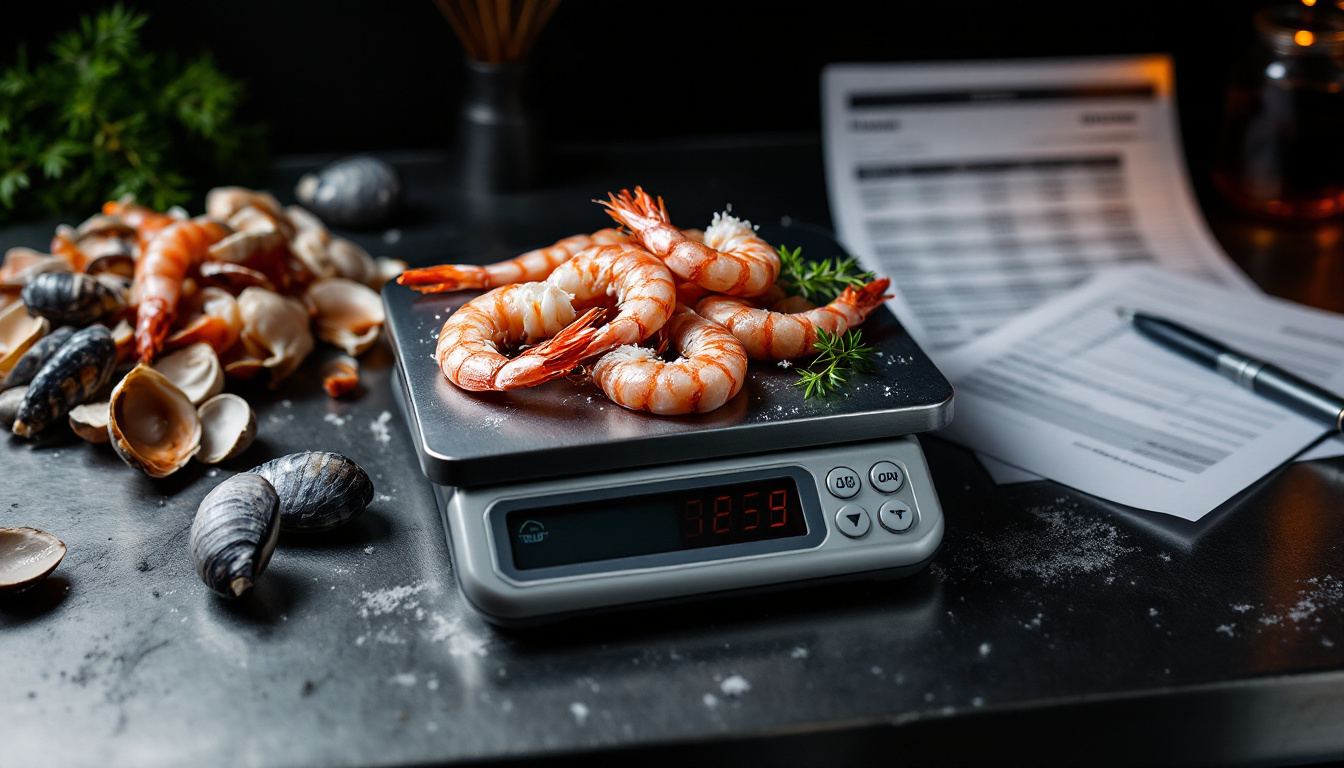
Every costing conversation I have ends up at the same mistake, so here is one dish worked all the way through. Shrimp tempura, on the menu at 90.
The first number that matters is not the menu price, it is what a kilo of usable shrimp costs. Shell-on comes in at 120 a kilo. Peeling takes about a third of the weight, so a kilo of shell-on leaves roughly 650 g you can actually put on a plate. That makes peeled shrimp 120 divided by 0.65, which is 184.62 a kilo.
That one step is where most plates go wrong. Cost the dish off the invoice and you are working from 120 when the truth is 184.62.
The plate, at 150 g of peeled shrimp:
- shrimp, 0.150 x 184.60 = 27.69
- batter, flour, dipping sauce = 3.81
- food cost = 31.50
Against a 90 menu price that is a 35% food cost and a 65% gross profit, which is where I want it.
Now run it the wrong way. Cost the same plate at the shell-on price and the shrimp line reads 18.00, the total reads 21.81, and the food cost looks like 24%. That is a dish that appears to be carrying an outstanding margin while it is really running at 35. The gap is 9.69 a plate, and it stays invisible until somebody weighs what the peeling actually takes.
The frying oil is not in that number. I treat it as overhead rather than a dish cost, because the same oil fries several items across a service and splitting it per plate costs more time than it returns. That is a choice rather than a rule, and it only works if the oil is genuinely sitting in the overhead line and not forgotten altogether.
Two things make this worth doing once. The peeling loss is a number you measure in your own kitchen rather than look up, because it moves with the size of the shrimp and with who is doing the peeling. And once you have it, every price change from the supplier flows straight through to a figure you can act on.