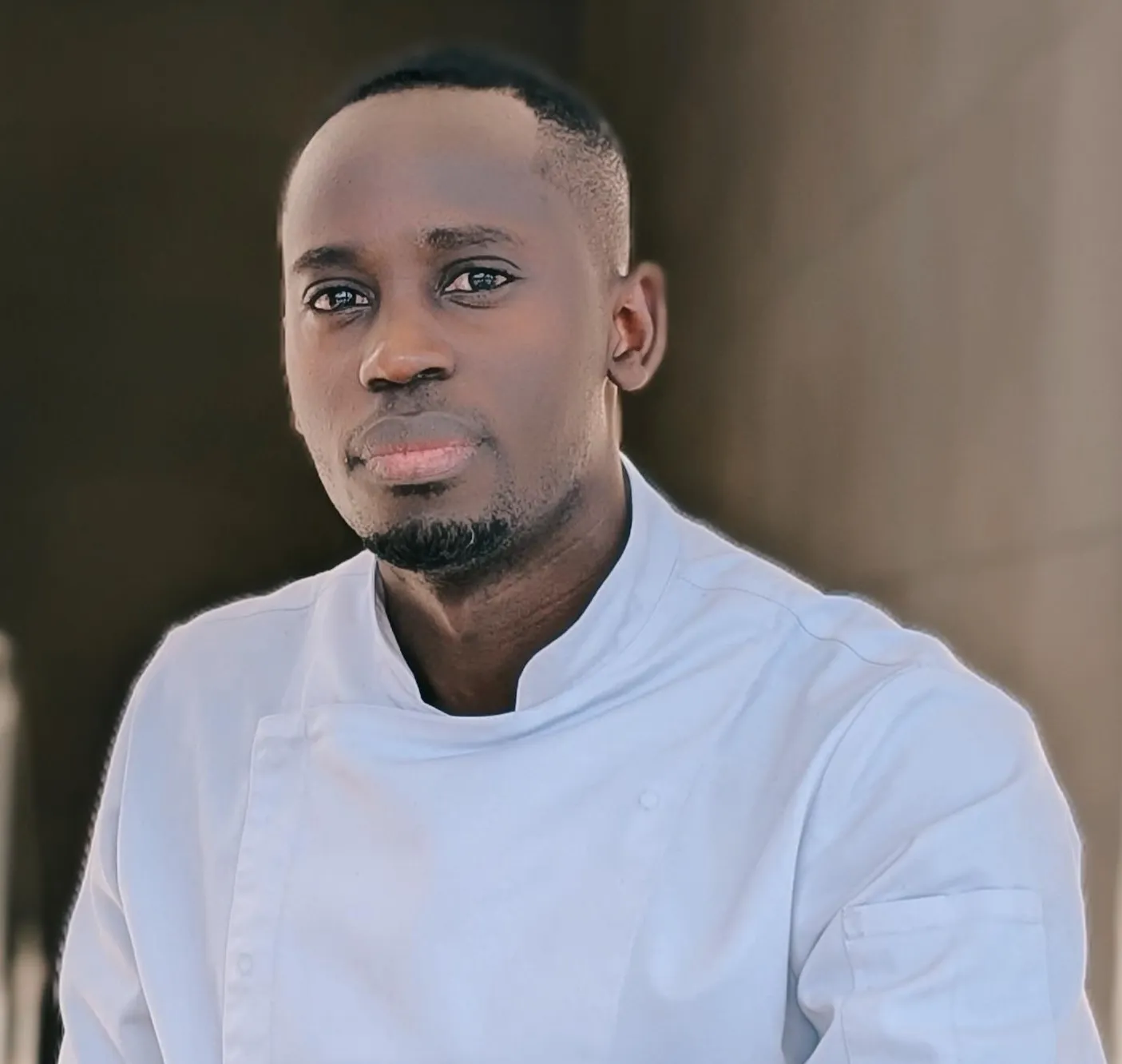
Suqaar the way my mother made it — and the way I make it now
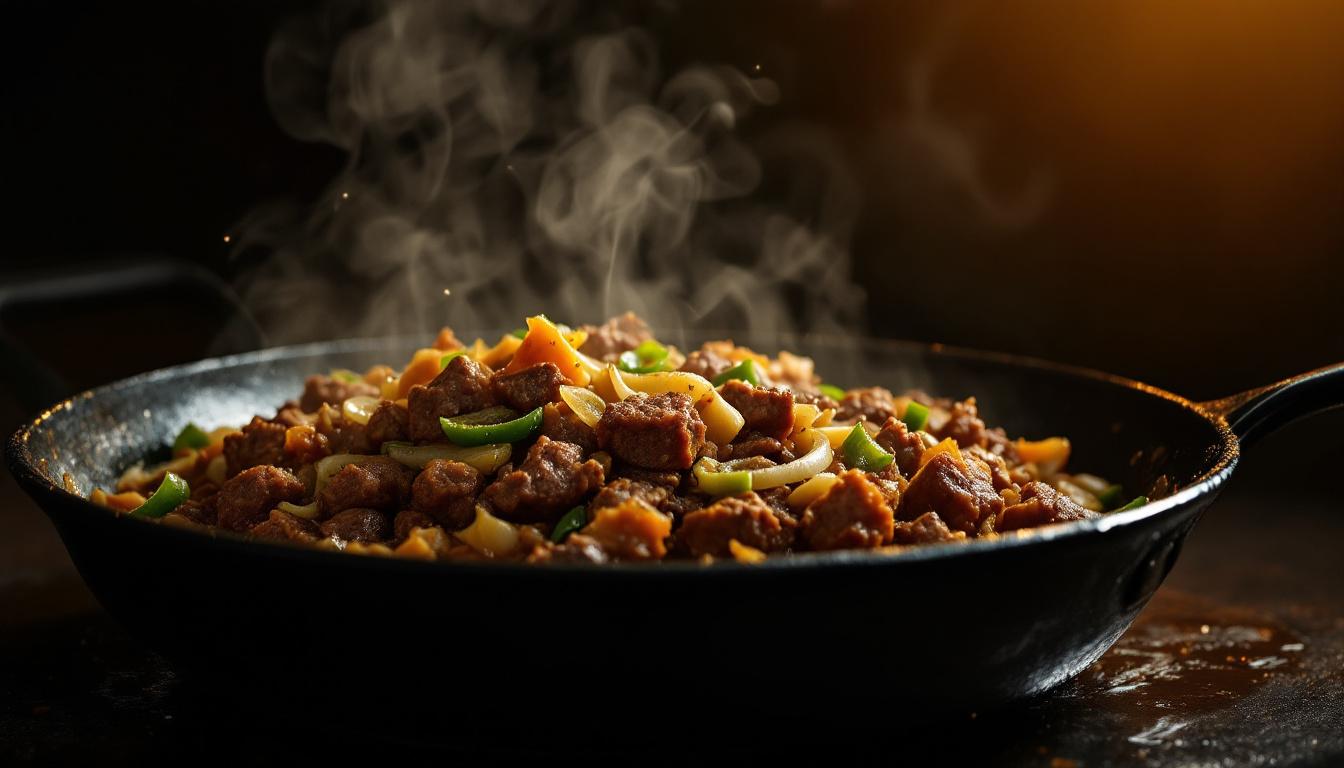
Suqaar is the dish I've cooked more than any other in my life. It showed up on weeknights in Kampala, at restaurant staff meals, and every time I've had 20 minutes and a piece of beef.
It's a dry-fried beef stir-fry seasoned with cumin and a handful of aromatics. Served with rice or canjeero. No fuss.
This is how I make it now — with one technique I picked up in a French kitchen that the original recipe doesn't have, but should.
Ingredients (serves 2)
- 400g beef sirloin or rump, cut into 1.5cm cubes
- 1 medium white onion, thinly sliced
- 2 cloves garlic, minced
- 1 small green pepper, diced
- 1 tsp cumin (whole seeds, toasted and ground fresh if possible)
- 1/2 tsp turmeric
- Salt and black pepper
- 2 tbsp neutral oil
- Fresh coriander to finish
Most home versions of suqaar cook the beef and onions together from the start. Don't. You'll steam the beef instead of searing it and you'll lose the crust that carries the whole dish.
Sear the beef first, alone, in batches. Very hot pan. Dry the beef with paper towels first — moisture is the enemy of colour. Two minutes per batch maximum, don't touch it. Set aside.
The onions go in the same pan after, in the rendered fat plus a splash of oil if needed. Medium heat. Let them go soft and a little golden — about 8 minutes. Now the garlic and green pepper. Two more minutes. Then the spices directly into the pan — cumin, turmeric, salt. Thirty seconds to bloom them in the fat. This matters more than most people realise.
Beef back in. Toss everything together over high heat for ninety seconds. You're not cooking the beef further — you're just marrying the flavours and getting everything hot together.
Off heat. Taste for salt. Finish with fresh coriander.
That's it.
The sear gives you Maillard — the browned crust that provides depth the original one-pan version misses. Blooming the spices in fat extracts the fat-soluble flavour compounds that stay locked in if you add spices to water or liquid. Everything else is the same as my mother's version. The technique is borrowed. The dish is still ours.